Why zero trust security matters today
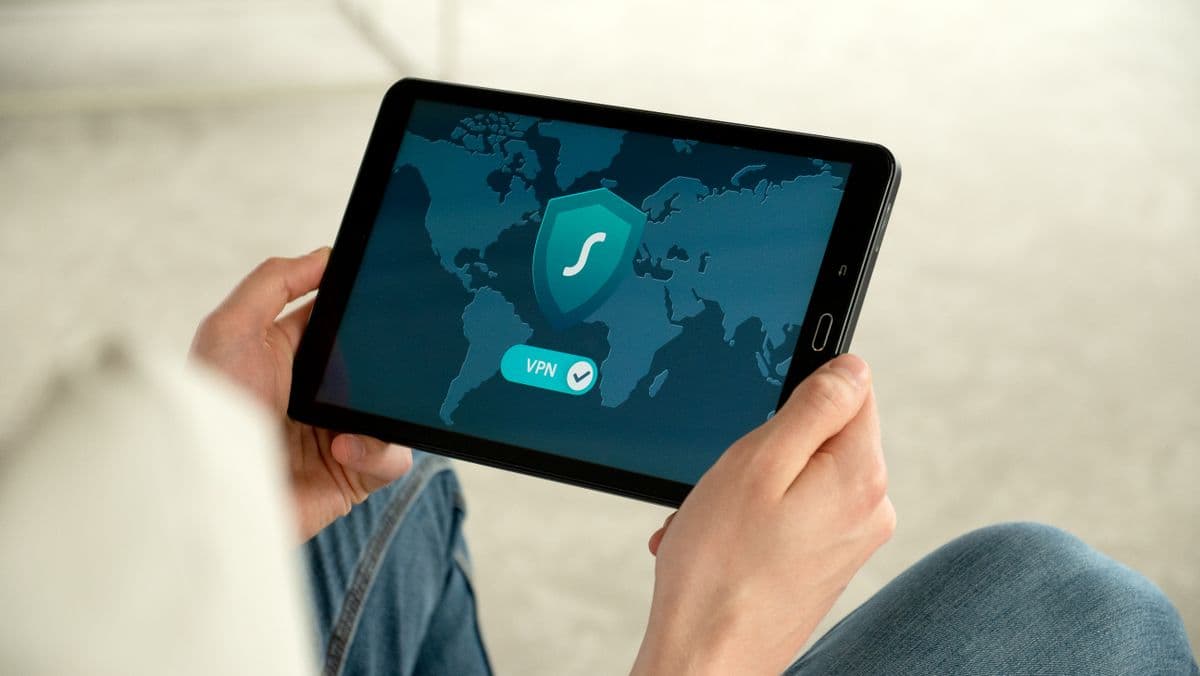
Most breaches I review in the SOC share one root cause. Someone or something was trusted because of where it sat on the network, not because it proved it should be there. A VPN login, a device on office wifi, a service account that has been quiet for months. Attackers love inherited trust because it turns one small foothold into free movement.
Zero trust answers this with a plain rule. Never trust, always verify. Every user, every device, and every workload must prove itself on every request, no matter where it connects from. In practice that means strong identity at the center, least privilege everywhere, and continuous verification instead of a single login gate at the perimeter.
Identity is where the program lives or dies. Centralize it, enforce multi factor on every account including service accounts, and review entitlements the way finance reviews expenses. Privileged access should be requested, approved, logged, and expired by default. Standing domain admin rights are not a convenience. They are pre positioned compromise.
Micro segmentation then limits how far any compromise can travel, so a breached laptop does not become a breached company. Think of it as bulkheads in a ship. One flooded compartment is a bad day. A ship without bulkheads is a sunk ship. Start with the crown jewels, usually finance systems, backups, and production data, and draw the lines there first.
Visibility ties it together. You cannot verify what you cannot see, so log authentication decisions, privilege use, and lateral movement attempts in one place where analysts actually look. When a verification fails, the alert should tell the story on its own.
The realistic part is that nobody rebuilds everything at once. Measure progress by how few paths lead to your critical assets, not by how many tools you bought. Done this way, zero trust is not a product. It is a habit of verifying, and it pays off the first time an attacker finds the front door locked from the inside.
Trust was once granted by location. If you were inside the office network, you were treated as safe. That model no longer matches how work actually happens.

Want help applying this to your own systems?
A short conversation is usually enough to tell where you stand.
Talk to usWritten by
Nwachukwu Francis O.
Founder/Tech Lead, CYPHRA
More Insights
Continue exploring our latest cybersecurity research and analysis.



Know your risk. Strengthen what matters.
Tell us where you are, what you rely on, and what you need to protect. We will help you understand what to do next.