Preventing threats through early detection
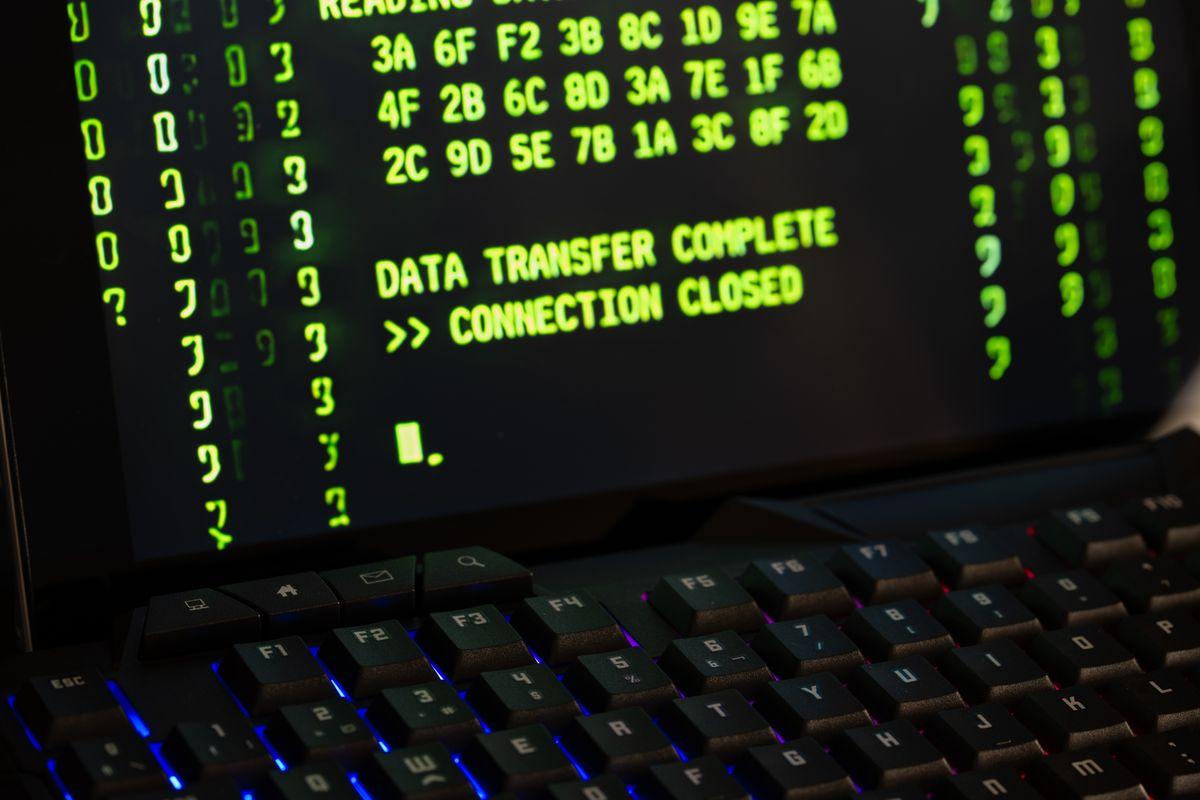
Years of offensive testing taught me one pattern above all. The initial foothold is almost never the disaster. The disaster is the weeks of quiet movement after it, while nobody looks at the right signals. Early detection flips that math. You cannot stop every intrusion, but you can shrink the time between landing and discovery until attacks stop paying.
Good detection starts with knowing your normal. Which accounts touch production at 3am, which servers talk to the internet, what a regular admin session looks like. Once that baseline exists, deviations become stories worth reading. A service account logging in interactively, a workstation reaching a database directly, an old protocol waking up after a year of silence. Each is a thread to pull.
My rule for tuning is simple. Every alert must name the action to take. If an alert fires and nobody knows the next step, it is noise, and noise trains teams to ignore everything. I would rather own twenty alerts with crisp playbooks than two hundred that everyone mutes.
Review detection coverage against real attacker paths, not compliance lists. Map your alerts to the tactics you actually worry about, test them with controlled simulations, and retire what never fires. Red team exercises are perfect fuel here. Every path we walk without tripping an alert is a detection gap with your name on it.
Our Tesla and Supabase disclosures both started as small anomalies that rewarded a closer look. One odd query language behavior, one token that arrived too easily. Curiosity did the rest, and both paid bounties because someone kept looking after the scanner said clean.
Detection is curiosity with a paper trail. Build it, fund it with the incidents it prevents, and the quiet attacks get loud fast.
Attackers rarely break in loudly. They land quietly, learn the environment, then move. Early detection is how you meet them at the door instead of at the vault.
Want help applying this to your own systems?
A short conversation is usually enough to tell where you stand.
Talk to usWritten by
Ridwan Adebayo
Penetration Tester & Cloud Engineer, CYPHRA
More Insights
Continue exploring our latest cybersecurity research and analysis.




Know your risk. Strengthen what matters.
Tell us where you are, what you rely on, and what you need to protect. We will help you understand what to do next.